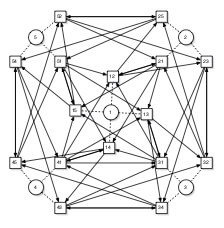
Understanding and Controlling Decisions.
Our research asks how cells and nervous systems process information to make decisions—and how the underlying circuits implement those decisions. We focus on causal mechanisms: what is sufficient to generate a fate choice, a morphogenetic program, or a behavioral state, and how those mechanisms can be engineered for construction and control.
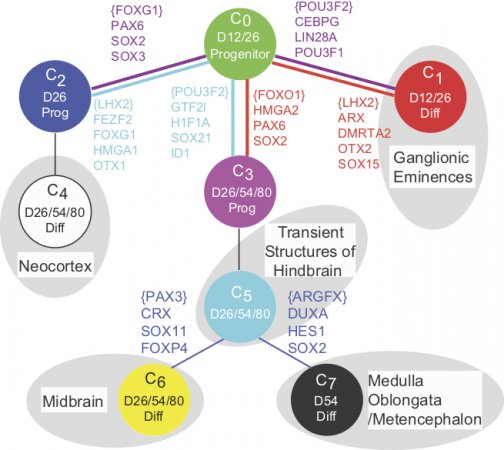
1) Identifying key nodes in high-dimensional gene and neural networks
Modern single-cell genomics and large-scale neural recordings reveal rich dynamics, but the central challenge is to infer which components of a network are most informative and most causal. We develop computational approaches to identify sparse, predictive “control points” in gene regulatory and neural circuits, and to build mechanistic models that can be tested by targeted perturbation.
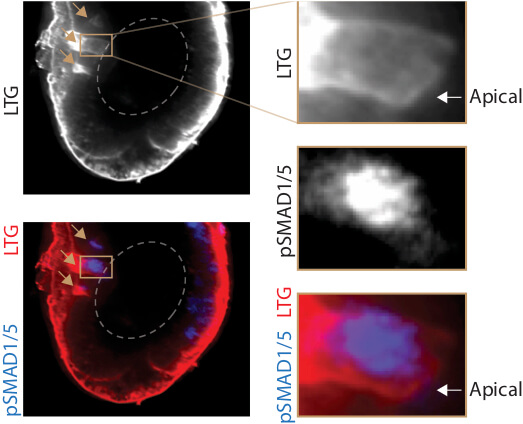
2) Synthetic embryology: signaling, geometry, and morphogenesis in human developmental systems
We reconstruct developmental processes in engineered in vitro systems—where geometry, timing, and signaling dynamics can be specified precisely—to determine which mechanisms are sufficient for pattern formation and morphogenesis. We study how multipotent cells integrate morphogen signals, how epithelial geometry and tissue mechanics constrain patterning, and how temporal signaling programs gate competence and fate.
3) From understanding to control: perturbation, re-engineering, and new phenotypes
We aim to demonstrate understanding by construction and control: designing perturbations that selectively rewrite developmental trajectories, engineering signaling environments that drive robust tissue architectures, and manipulating neural activity to predictably alter behavioral state. Tool-building—bioengineering, microscopy, optogenetics, and computation—is integral to enabling these tests.
4) Comparative and evolutionary constraints
We are interested in how gene regulatory networks evolve to generate new cell types and tissue architectures, and whether evolutionary constraints can be exploited to re-engineer developmental programs. Comparative analysis provides both hypotheses and design principles for building controllable biological systems.
Areas of Investigation
1) Identifying key nodes in high-dimensional gene and neural networks
2)Synthetic embryology: signaling, embryo geometry, and morphogenesis in human developmental systems
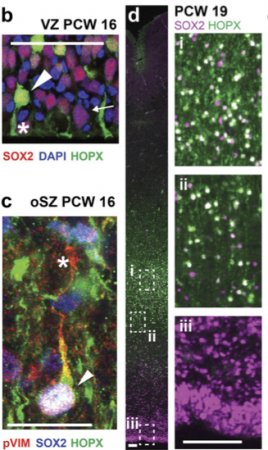
Identifying novel aspects of human brain development
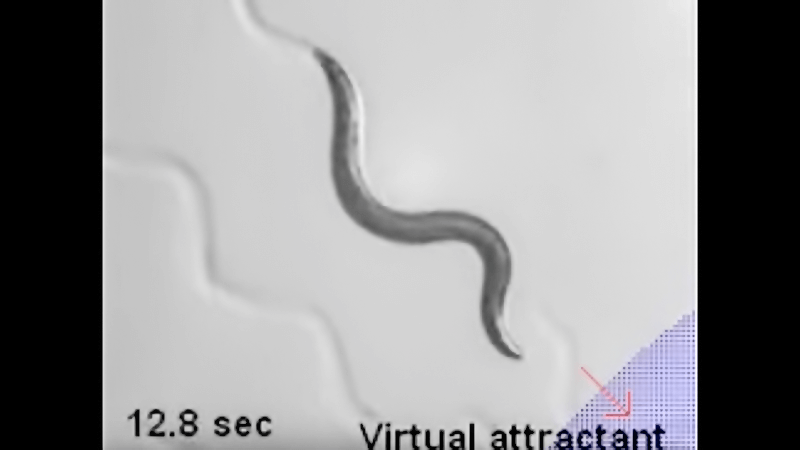
Discovering key nodes to control Neural Networks
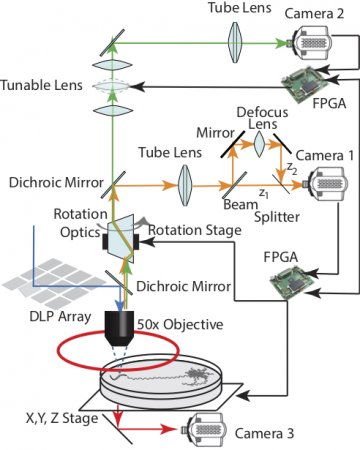
Technique Development: Optics and Microfluidics.